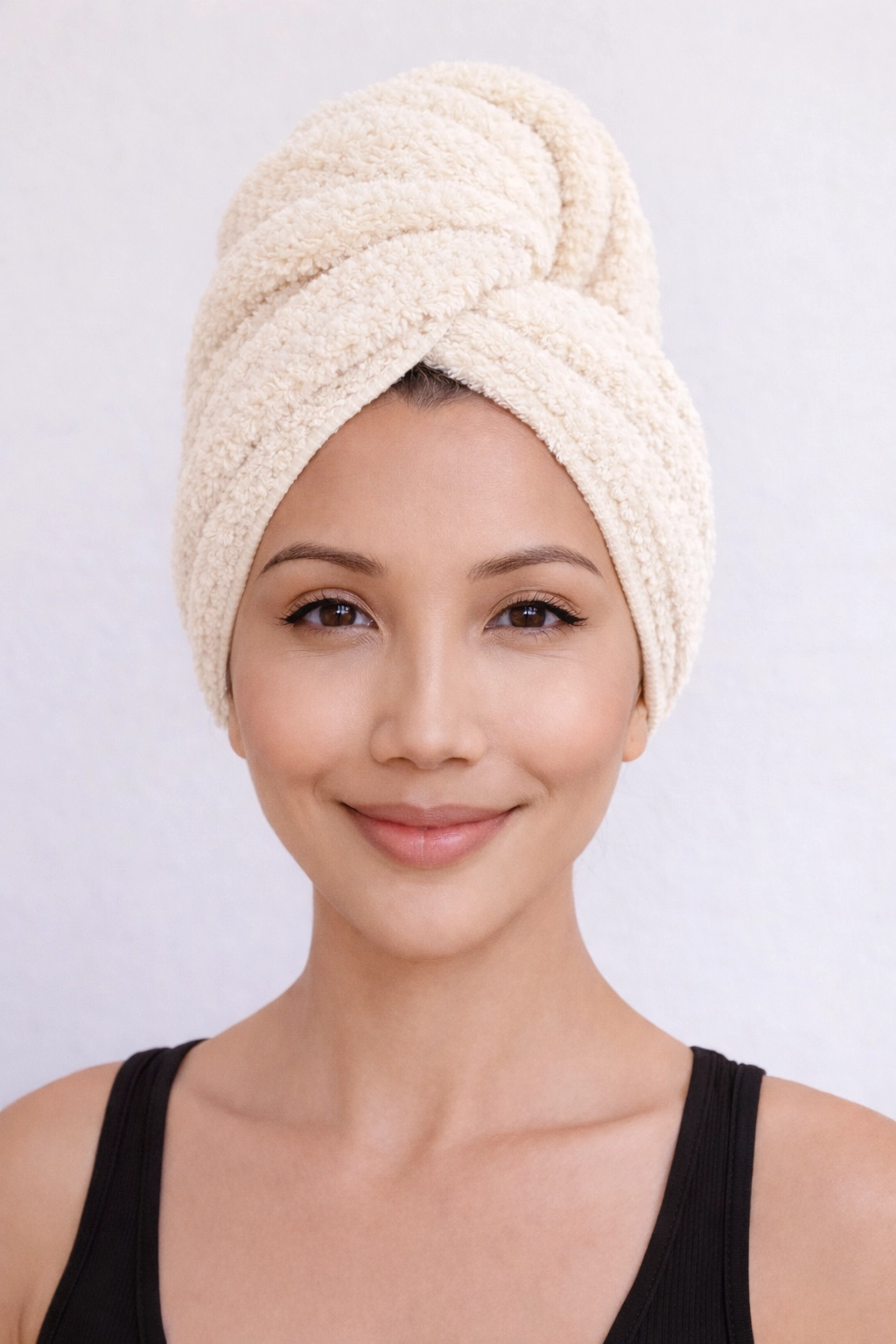
Hormones play a major role in hair health. As estrogen levels change with age—especially during perimenopause and menopause—the scalp produces less natural oil, and hair follicles may gradually become smaller. This can lead to thinner strands, slower growth, and reduced volume over time. Unlike sudden hair loss, these changes happen slowly and often feel confusing or frustrating. Learning how hormones affect hair helps women better understand why their hair behaves differently and how to support it through each life stage.
Hair growth is closely connected to hormones, especially in women. Estrogen, progesterone, and androgens all influence how long hair grows, how thick each strand becomes, and how healthy the scalp environment remains. When hormone levels are balanced, hair tends to grow longer, feel fuller, and shed normally. As hormones shift with age, hair doesn’t suddenly fail—but it does begin to behave differently. Understanding this connection helps explain why hair changes often feel gradual, confusing, and deeply personal rather than sudden or obvious.
Estrogen plays a protective role in hair growth. It helps keep hair in the growth phase longer, supports scalp hydration, and contributes to thicker-looking strands. As estrogen levels begin to fluctuate in the late 30s and 40s, hair may grow more slowly or feel less dense. During menopause, lower estrogen levels can shorten the growth phase, leading to finer hair and reduced volume. These changes are natural, but they can feel unsettling without context. Knowing estrogen’s role helps women understand that thinning is often hormonal—not a sign of poor care.
Hormone-related hair changes happen slowly. Unlike stress-related shedding, aging hair loss is usually subtle and progressive. Individual strands may grow thinner, ponytails feel smaller, and the scalp may become more visible over time. Because the change is gradual, many women don’t notice it right away. This type of thinning is not caused by hair falling out in clumps, but by follicles producing finer hair with each growth cycle. Recognizing this distinction helps reduce fear and encourages realistic expectations about hair changes with age.
As women age, hair follicles may spend less time in the growth phase and more time resting. This means hair sheds earlier and regrows more slowly. Over time, fewer hairs are actively growing at once, which can make hair look less full. These shifts are influenced by hormones, genetics, and overall health. While this process is gradual, it explains why hair that once bounced back easily may now feel slower to recover. Awareness of these changes allows women to adapt their care routines instead of fighting their hair.
Hormonal changes don’t affect hair alone—the scalp changes too. Reduced oil production can lead to dryness, tightness, or sensitivity, even without dandruff or flakes. A drier scalp may not support hair growth as efficiently as before. Many women mistakenly treat this with harsh cleansing or frequent washing, which can worsen discomfort. Understanding that scalp health declines alongside hormonal shifts encourages gentler care focused on comfort, balance, and protection rather than aggressive treatments.
Hair affected by hormonal aging is not damaged—it’s changing. This stage calls for patience and gentler habits rather than drastic fixes. Reducing friction, minimizing stress on wet hair, and supporting scalp comfort can help preserve strength and appearance. Small daily choices matter more as hair becomes finer and more sensitive. When women understand why their hair is changing, they can adjust their routines with confidence instead of frustration. Aging hair doesn’t mean giving up—it means caring differently.

