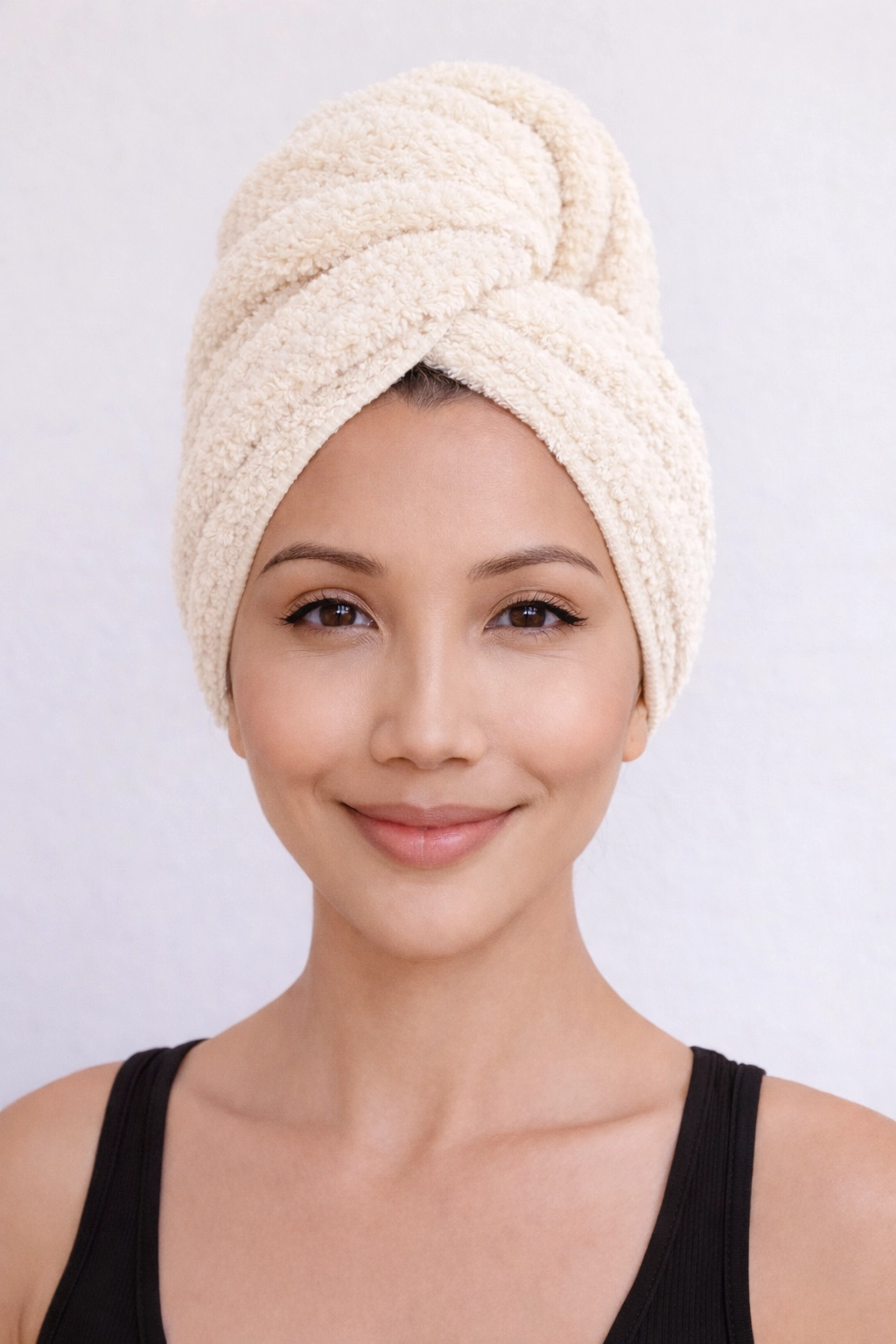
Hair that is changing needs different care than it did before. Wet hair becomes more fragile with age, and friction, pulling, or heavy handling can increase breakage and shedding. Small daily habits—how hair is dried, wrapped, brushed, or styled—can make a meaningful difference over time. Protecting hair doesn’t mean doing more; it often means doing less, but more gently. Learning how to reduce stress on the hair and scalp helps preserve strength, comfort, and confidence through every stage of hair change.
As hair changes with age and hormones, it often becomes finer, drier, and more sensitive to stress. Hair that once recovered easily now needs more thoughtful care. Protection isn’t about doing more—it’s about doing less harm. Small daily habits begin to matter more than occasional treatments. Understanding this shift helps women focus on preserving what they have rather than chasing unrealistic fixes. Protecting hair early can slow visible thinning and maintain strength over time.
Wet hair is especially vulnerable. Tugging, twisting, or rubbing can cause breakage that accumulates slowly. As hair becomes finer, these stresses have a greater impact. Gentle handling, minimizing friction, and avoiding tight tension help reduce unnecessary strain. Supporting hair during its most delicate moments—especially after washing—can make a visible difference over time. Protection begins with how hair is handled, not how it’s styled.
When hair changes, it’s tempting to try many products at once. However, layering treatments can overwhelm both hair and scalp. Aging hair often responds better to fewer, gentler products used consistently. Overuse of strong cleansers, heavy buildup, or frequent switching can disrupt balance. Protection means choosing care that maintains comfort and strength rather than forcing rapid results. Simple routines are often the most effective.
Protecting hair includes protecting the scalp. A comfortable scalp supports better hair growth and reduces sensitivity-related shedding. Keeping the scalp balanced—neither overly dry nor stripped—helps follicles function optimally. Gentle cleansing, breathable materials, and reduced irritation all contribute to long-term hair health. When scalp care becomes part of the routine, hair responds more positively over time.
Hair protection isn’t just about products—it’s about habits. Adequate rest, stress management, and gentle daily routines all influence hair resilience. Consistency matters more than intensity. Small changes practiced daily often have greater impact than dramatic short-term solutions. Protecting hair means respecting its natural rhythm as it changes.
Once hair is damaged or lost, recovery can be slow. Prevention helps maintain density, comfort, and confidence as hair evolves. Protecting hair early allows women to age with their hair gracefully rather than reacting after changes become distressing. When women understand their hair’s needs at each stage, they can care for it with confidence and calm.

