As hair changes, the scalp often changes first. Reduced oil production, hormonal shifts, and environmental stress can lead to dryness, itching, or increased sensitivity—even without dandruff or flakes. An uncomfortable scalp can affect hair growth and overall hair quality. Many people try harsh treatments that worsen the problem. Understanding why the scalp becomes more sensitive over time encourages gentler care, better moisture balance, and habits that support both scalp comfort and healthier hair growth.
For many women, scalp discomfort appears before noticeable hair thinning. The scalp may begin to feel tight, dry, or unusually sensitive even when hair still looks healthy. These early changes are easy to overlook because they don’t always involve flakes or redness. Hormonal shifts, reduced oil production, and slower skin renewal all affect scalp comfort. When the scalp environment changes, hair behavior often follows later. Recognizing these early signs helps women respond with care rather than ignoring symptoms that quietly affect long-term hair health.
As women age, the scalp produces less natural oil. Estrogen plays a role in maintaining moisture, and when levels fluctuate, dryness becomes more noticeable. A dry scalp may feel itchy, tight, or irritated, especially after washing. This doesn’t mean the scalp is unhealthy—it means it needs different support. Many women try to fix dryness by washing more often or using stronger shampoos, which can make the problem worse. Understanding that dryness is a natural shift helps guide gentler, more effective care choices.
Scalp itch doesn’t always mean dandruff. Hormonal changes, nerve sensitivity, and dryness can all cause itching without visible flakes. This type of itch often feels deeper, more persistent, and harder to soothe. Because it doesn’t look like a common scalp condition, it’s often misunderstood. Treating it aggressively can increase irritation. Learning the difference between dandruff and sensitivity-related itch helps women choose calming care instead of harsh treatments that strip the scalp further.
Aging scalps may become more reactive to products, temperature changes, or frequent washing. Ingredients that once felt fine can suddenly cause tingling, burning, or discomfort. This sensitivity is often linked to a weakened scalp barrier. When the scalp barrier is compromised, moisture escapes more easily and irritation increases. Supporting the scalp gently—rather than overwhelming it—becomes essential. Recognizing sensitivity as a change, not a failure, allows women to adjust their routines without frustration.
Healthy hair begins with a balanced scalp. When the scalp is dry, inflamed, or irritated, hair follicles may not function as efficiently. This can contribute to slower growth, weaker strands, or increased shedding over time. Scalp changes don’t cause immediate hair loss, but they influence how well hair grows and recovers. Supporting scalp comfort helps create an environment where hair can thrive despite hormonal or age-related shifts.
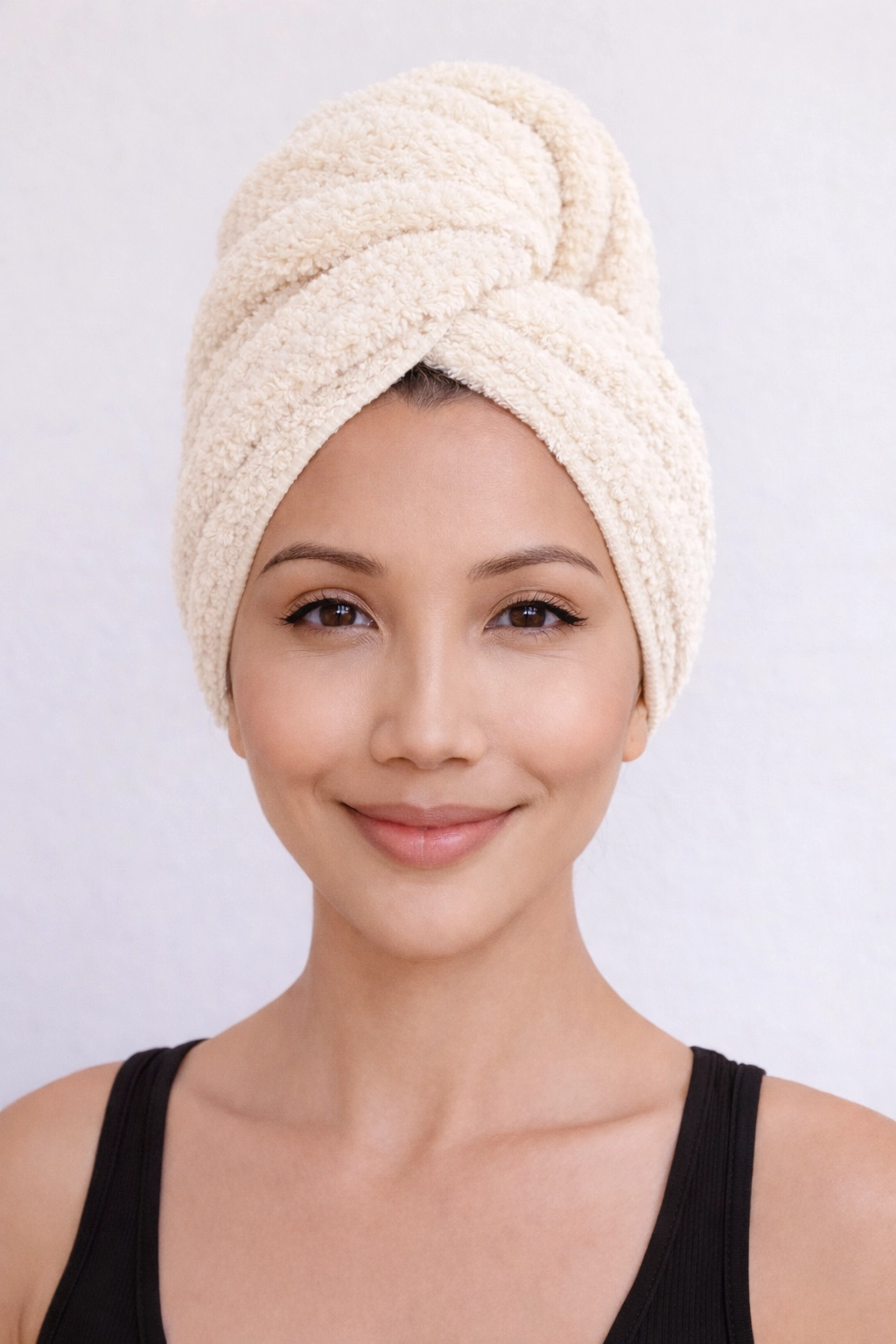
A changing scalp benefits from gentler habits. Reducing friction, avoiding overwashing, and choosing soft, breathable materials around wet hair can help maintain comfort. Supporting the scalp doesn’t require complex treatments—consistency and kindness matter most. When women understand scalp changes as part of a natural process, they can respond calmly and confidently. Caring for the scalp becomes an act of prevention, helping protect hair health over time rather than reacting after problems appear.

